Terminals +info
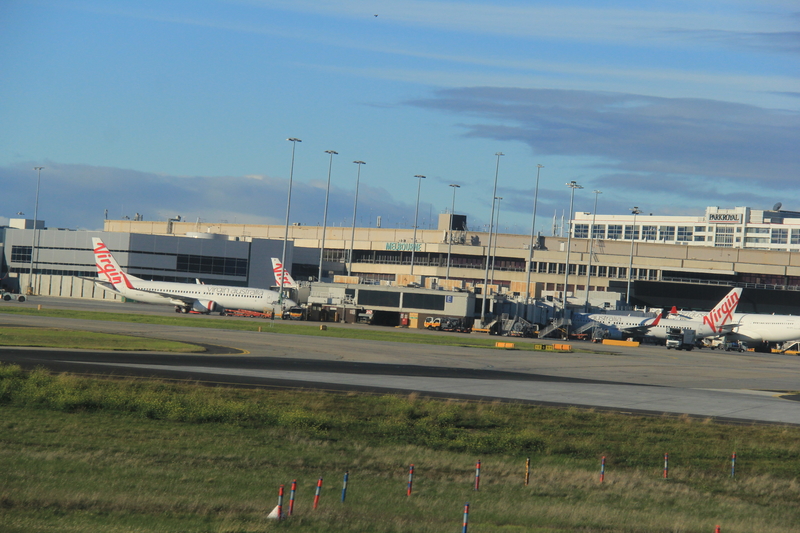
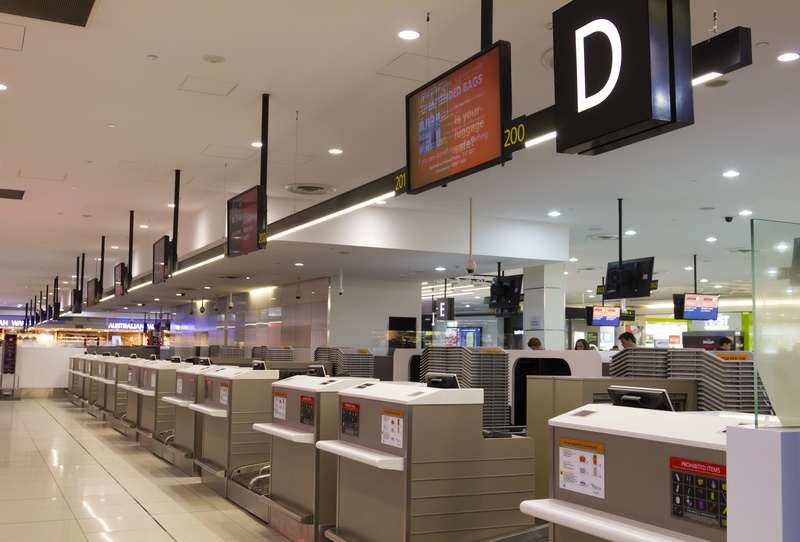
The airport consists of four main terminals: Terminal 1 (T1), Terminal 2 (T2), Terminal 3 (T3), and Terminal 4 (T4).
Terminal 2 is dedicated to international flights, while Terminals 1, 3, and 4 handle domestic traffic.
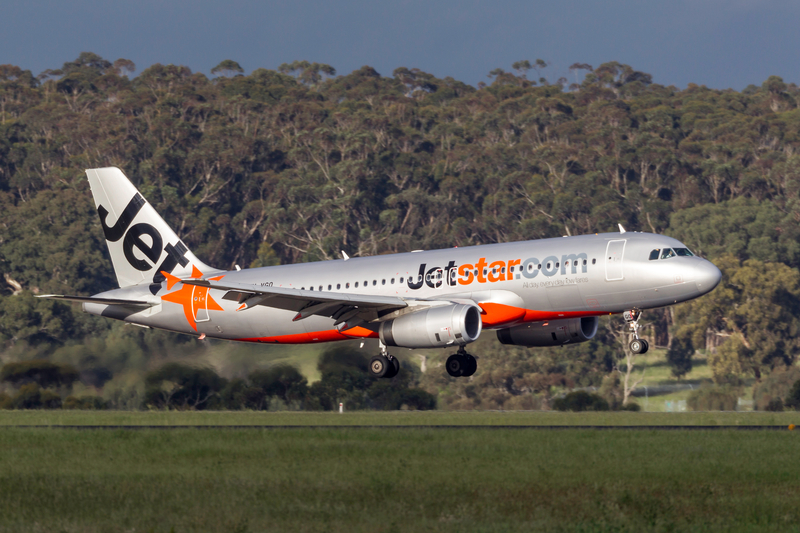
T1 is primarily used by Qantas, T3 by Virgin Australia, and T4 is a budget terminal used by airlines like Jetstar.
All terminals are conveniently located within walking distance of each other, making transfers between domestic and international flights relatively seamless.
Reviews +info
On this website, you will find valuable tips and reviews about Melbourne Airport, designed to help you navigate your travel experience smoothly. These reviews can help you understand what to expect in terms of service quality, cleanliness, and overall passenger experience.
-Our Review of Melbourne Tullamarine Airport
-Pros and Cons of MEL Airport
-Mini-Guide of the Airport (2’ Guide)
-Other reviews
-Some Stats
Transport +info
Melbourne Airport offers a comprehensive range of transport options designed to connect passengers efficiently with the city centre and surrounding regions. Located approximately 23 kilometres from central Melbourne, the airport relies primarily on road-based transport, as there is currently no direct train or metro link. This makes choosing the right transport option an important part of planning your journey.
Travellers can choose between express airport buses, taxis, ride-hailing services, car rentals, and private vehicles. The SkyBus is the most popular public transport option, providing frequent and direct connections to Southern Cross Station in the city centre. For those seeking convenience and door-to-door service, taxis and ride-hailing platforms offer a faster and more flexible alternative, although at a higher cost.
Car rental is also a widely used option, particularly for visitors planning to explore Victoria beyond Melbourne, including destinations such as the Great Ocean Road or Yarra Valley. Additionally, the airport is well connected by major highways, making access by private car straightforward.
Overall, Melbourne Airport’s transport system is designed to accommodate different travel needs, balancing cost, speed, and convenience depending on each passenger’s priorities.
Contact
Address: Melbourne Airport, Arrival Drive, Tullamarine VIC 3045, Australia
Phone: +61 3 9297 1600
Website: www.melbourneairport.com.au
Email: Available via the official contact form on the airport website
Lost & Found
Location: Ground floor, Terminal 2 (International Arrivals area)
For items lost in Terminals 2, 3 and 4:
Phone: +61 3 9297 1805
For items lost in Terminal 1:
Phone: +61 3 8336 4100
Item collection:
Lost items can be retrieved at Terminal 2 (International) by prior appointment
Additional contact number:
+61 3 9338 0099
About Melbourne
Melbourne, the capital city of Victoria, is Australia’s second-largest city by population, following Sydney. As of 2025, Melbourne’s population has grown significantly, reaching 5.39 million residents, accounting for approximately 19% of the national population. By mid-2025, projections indicate the population will surpass 6.14 million, driven by consistent growth rates fueled by overseas migration, internal relocation, and natural increases. The city is also a hub for international visitors, welcoming over a million annually.
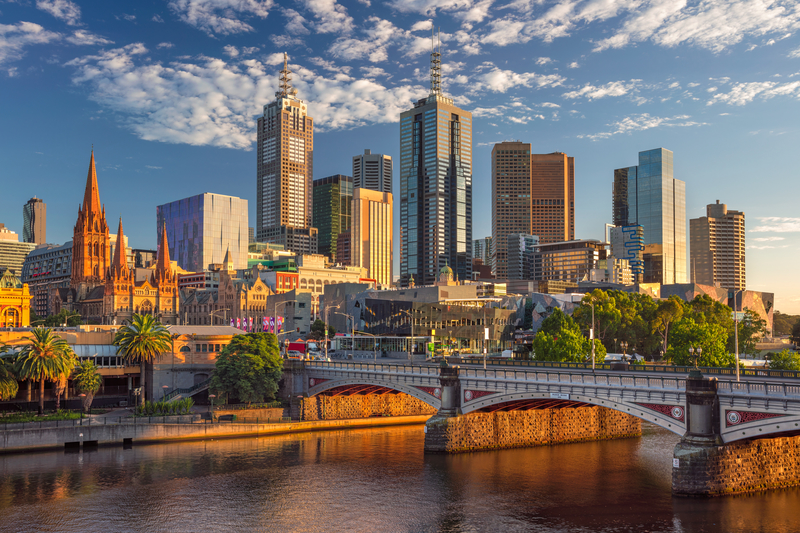
Known as Australia’s sport and cultural capital, Melbourne boasts a vibrant arts scene, world-class sporting events such as the Australian Open and Formula 1 Grand Prix, and iconic landmarks like Federation Square and the Melbourne Cricket Ground (MCG). Its multicultural fabric is reflected in its diverse cuisine, festivals, and neighborhoods.
Melbourne was founded on 30 August 1835 by settlers from Van Diemen’s Land (modern-day Tasmania), led by John Lancey aboard the schooner Enterprize. Unlike other colonial cities established by convicts or under direct Crown authority, Melbourne was founded by free settlers and businessmen. The settlement was formalized under Crown authority in 1837. The city’s rapid development was largely fueled by the gold rush of the 1850s, which transformed it into one of the wealthiest cities in the world at the time.
Today, Melbourne is a thriving metropolis with extensive infrastructure and urban planning initiatives aimed at accommodating future growth. Projects like the third airport runway and expansions in public transport reflect its commitment to sustainability and livability. Despite challenges such as housing affordability and congestion, Melbourne remains one of the most desirable cities globally due to its cultural richness, economic opportunities, and high quality of life. By 2056, its population is projected to reach 9 million, solidifying its position as a key player in Australia’s future development.